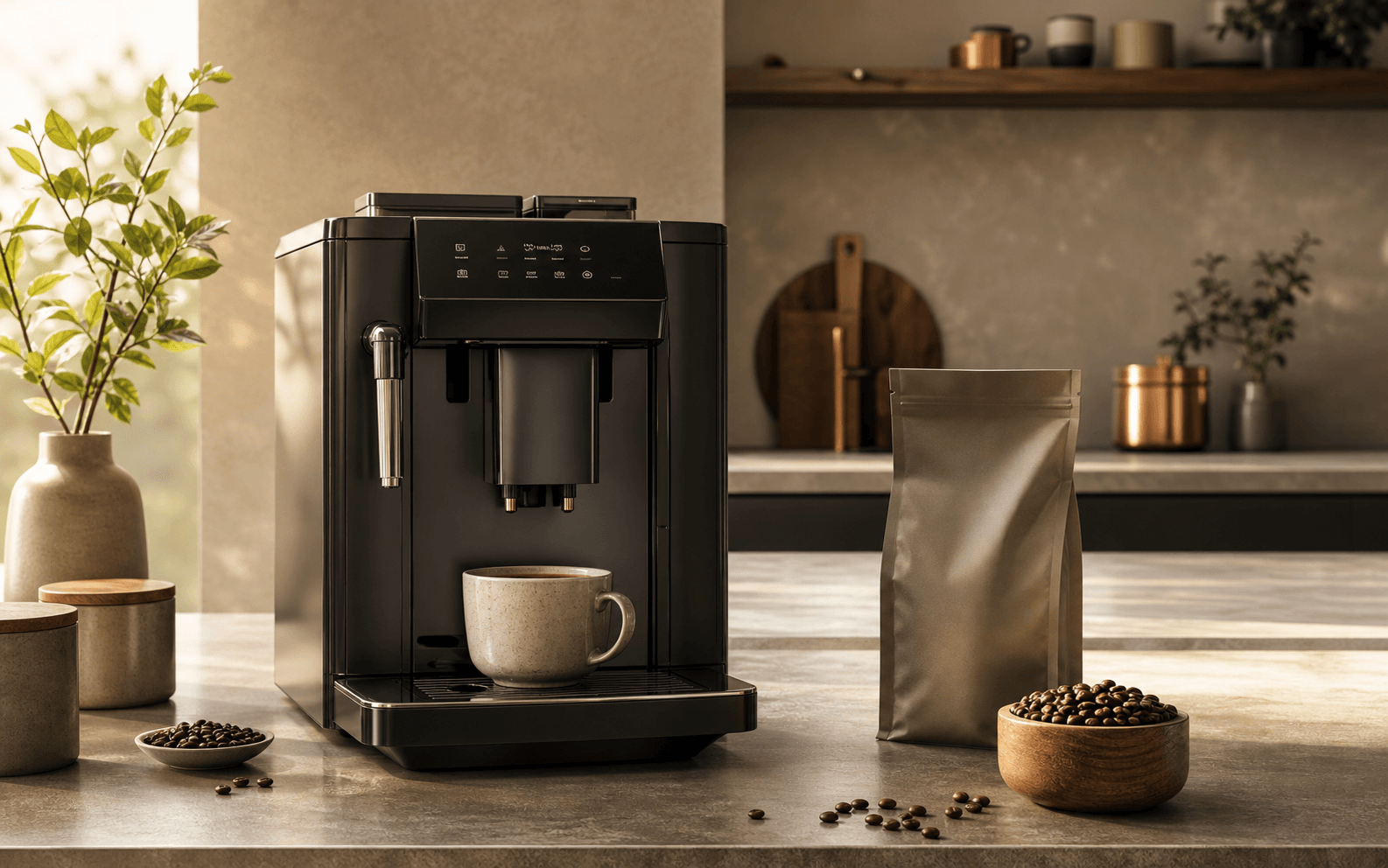
Brew Guides
Choosing Coffee for Automatic Machines
Automatic machines reward rounded, forgiving coffees. Learn how to choose coffee that works with convenience-focused home and office machines.

Use these guides to choose coffee with the proof in view: peak ageing, natural flavour formation, roast profiles, brew-method fit, storage and third-party SCA, Q or CVA context.

Choose by flavour, brew method, storage needs or proof markers before opening a product.

Articles cite the proof customers can evaluate: SCA grading, origin, process, roast profile and brew fit.
Start with the topic that affects your next cup: freshness and peak ageing, natural flavour, roasting, brew method, storage or third-party SCA proof.

Roast date matters, but coffee moves through a peak window after roasting. Learn why freshest is not automatically best and why the peak differs by coffee.

Chocolate, fruit, florals and nuts are tasting notes from coffee chemistry, not added flavouring.

Each lot needs its own roast approach because origin, process, density, development and brew use change the cup.
Espresso, filter, automatic machines and Turkish coffee are different extraction systems with different results.

Opened coffee changes faster. Learn how oxygen, moisture, heat, grind state and freezing affect the peak window.
Use SCA, Q and CVA-based assessment as evidence, then read it with roast, rest, brew fit and preference context.
The research supports strong public claims when they stay precise: peak ageing over fixed-day roast-date promises, natural flavour without additives, specialist roasting, brew-method fit and score with context.
Coffee keeps changing after roasting. Roast date is useful context, but not the whole freshness story.
Flavour notes come from origin, process, roast, ageing and brewing, not artificial flavouring.
Extraction variables change the cup, so recommendations should consider machine and method.
SCA, Q and CVA-style assessment is useful, but score alone is not a preference guarantee.
Browse the live guides beside product pages so buying decisions stay tied to brew fit, flavour lane, storage and proof.
Automatic machines reward rounded, forgiving coffees. Learn how to choose coffee that works with convenience-focused home and office machines.
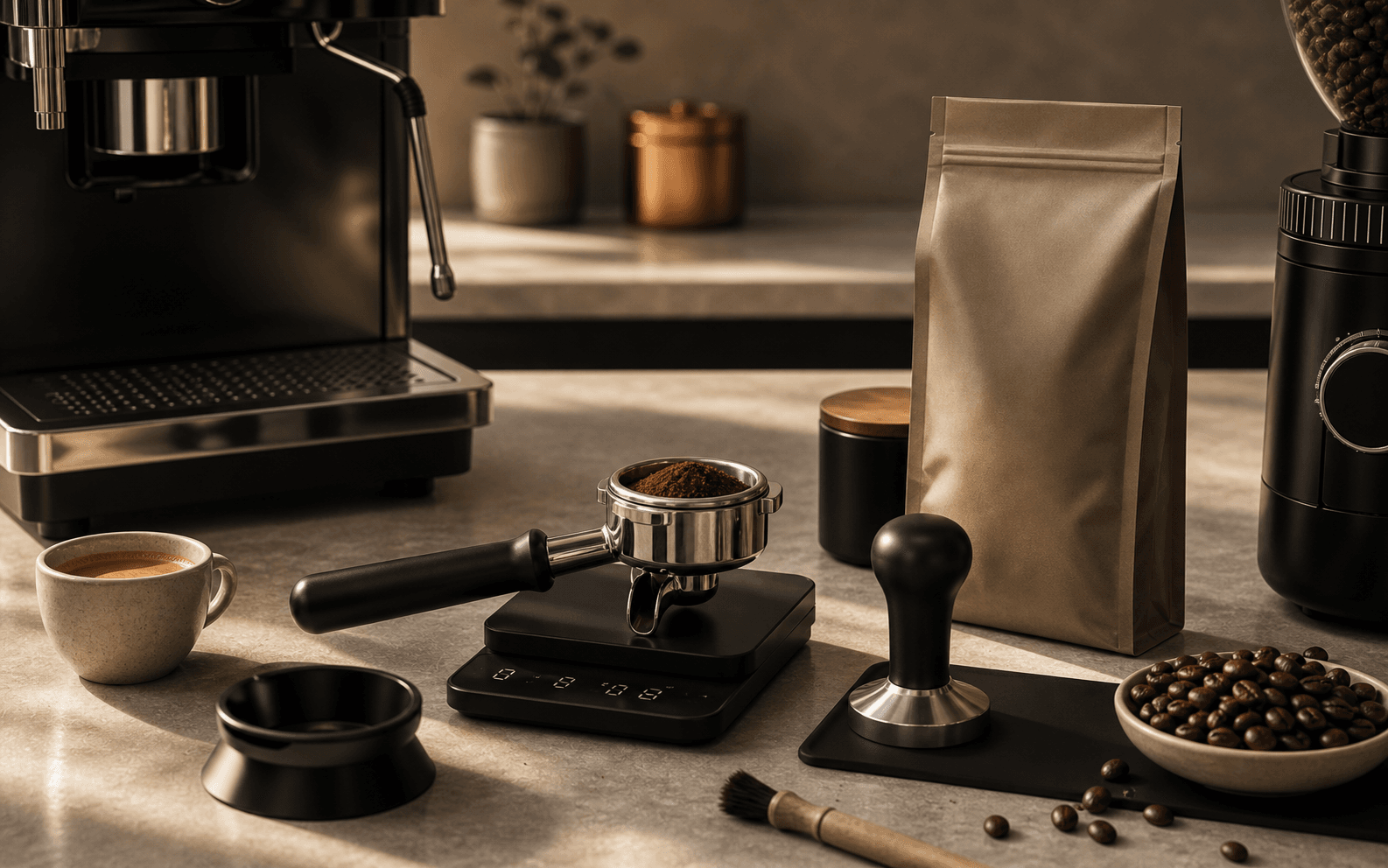
Learn how to choose coffee for espresso setups, from grinder control and resting time to puck prep, headspace and brew fit.
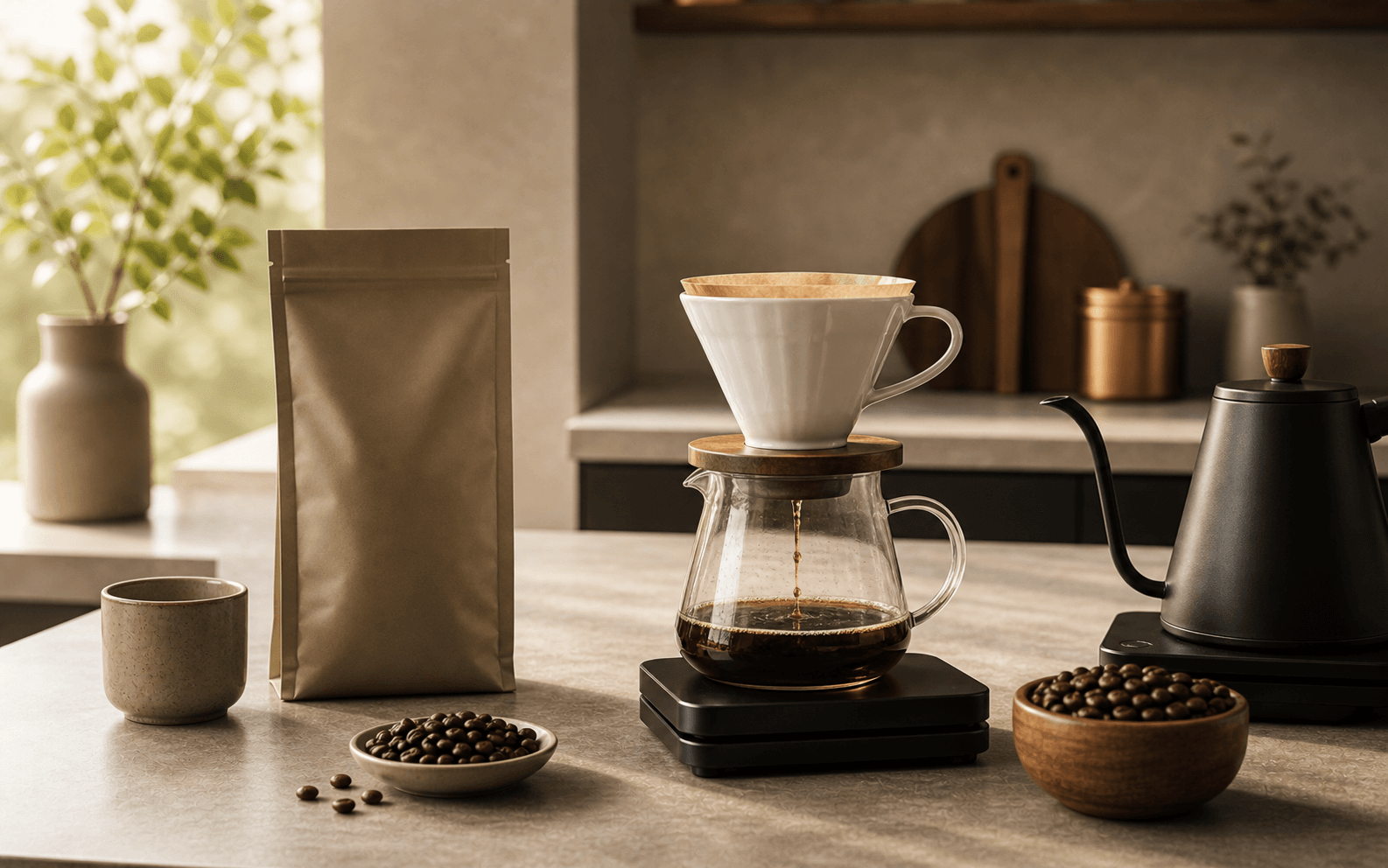
Filter brewing can reveal clarity, origin, process and delicate flavour when coffee, storage and recipe are matched well.
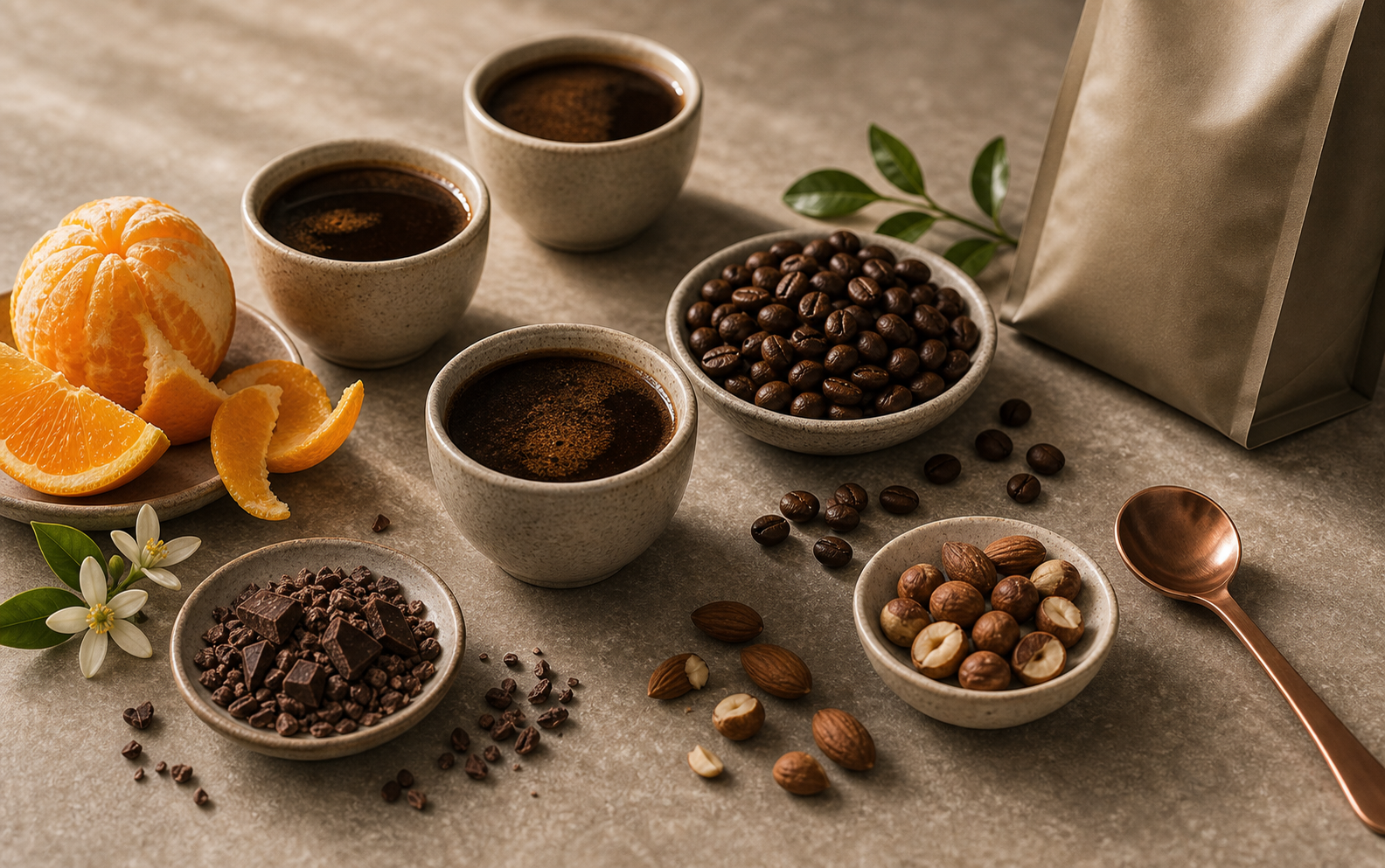
Coffee can taste fruity, chocolatey, floral or nutty without added flavouring. Learn how natural tasting notes work and how to use them when buying.
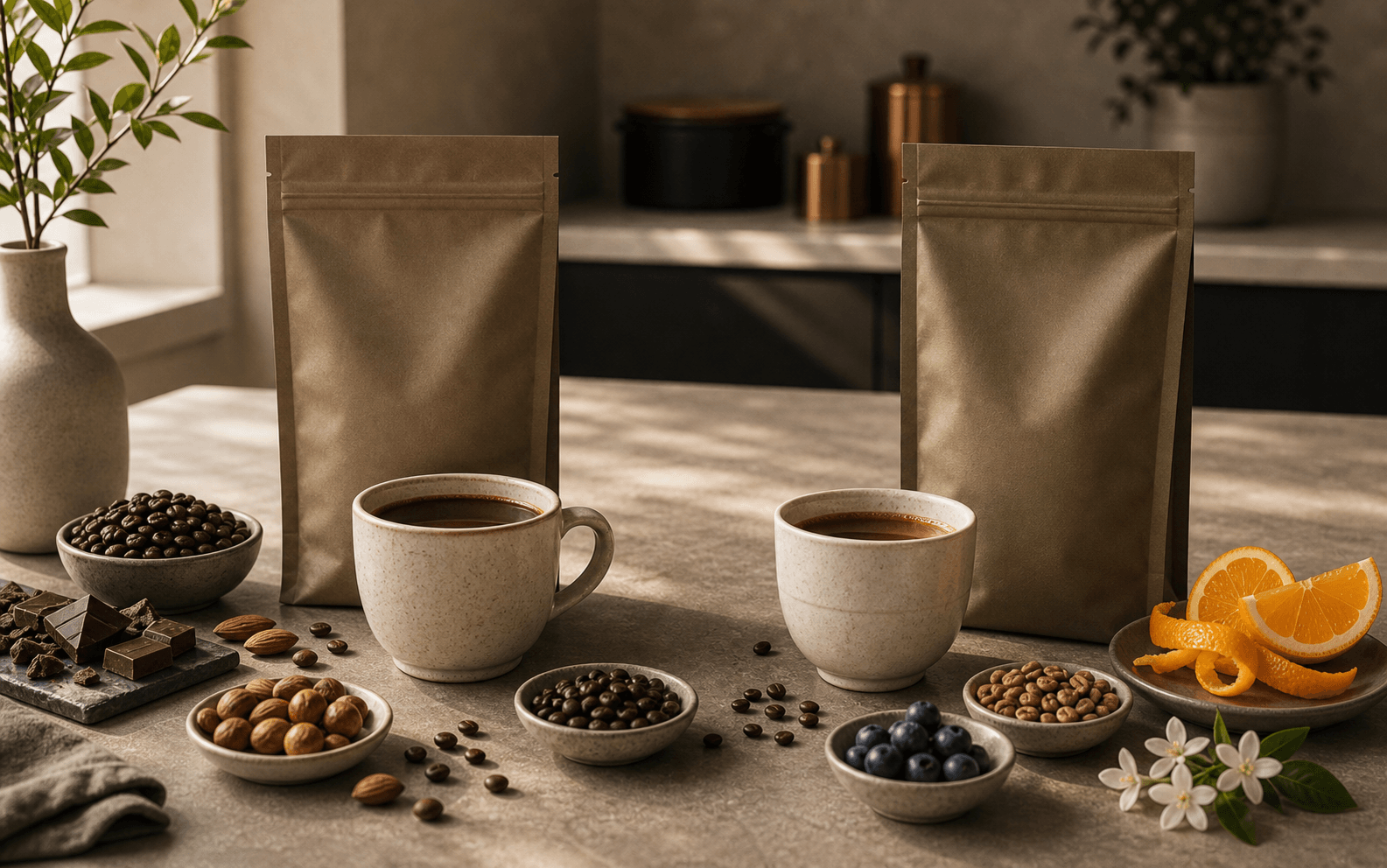
Easy Drinking and Explorer are buying lanes, not quality tiers. Learn which lane fits your taste, machine and daily coffee habits.
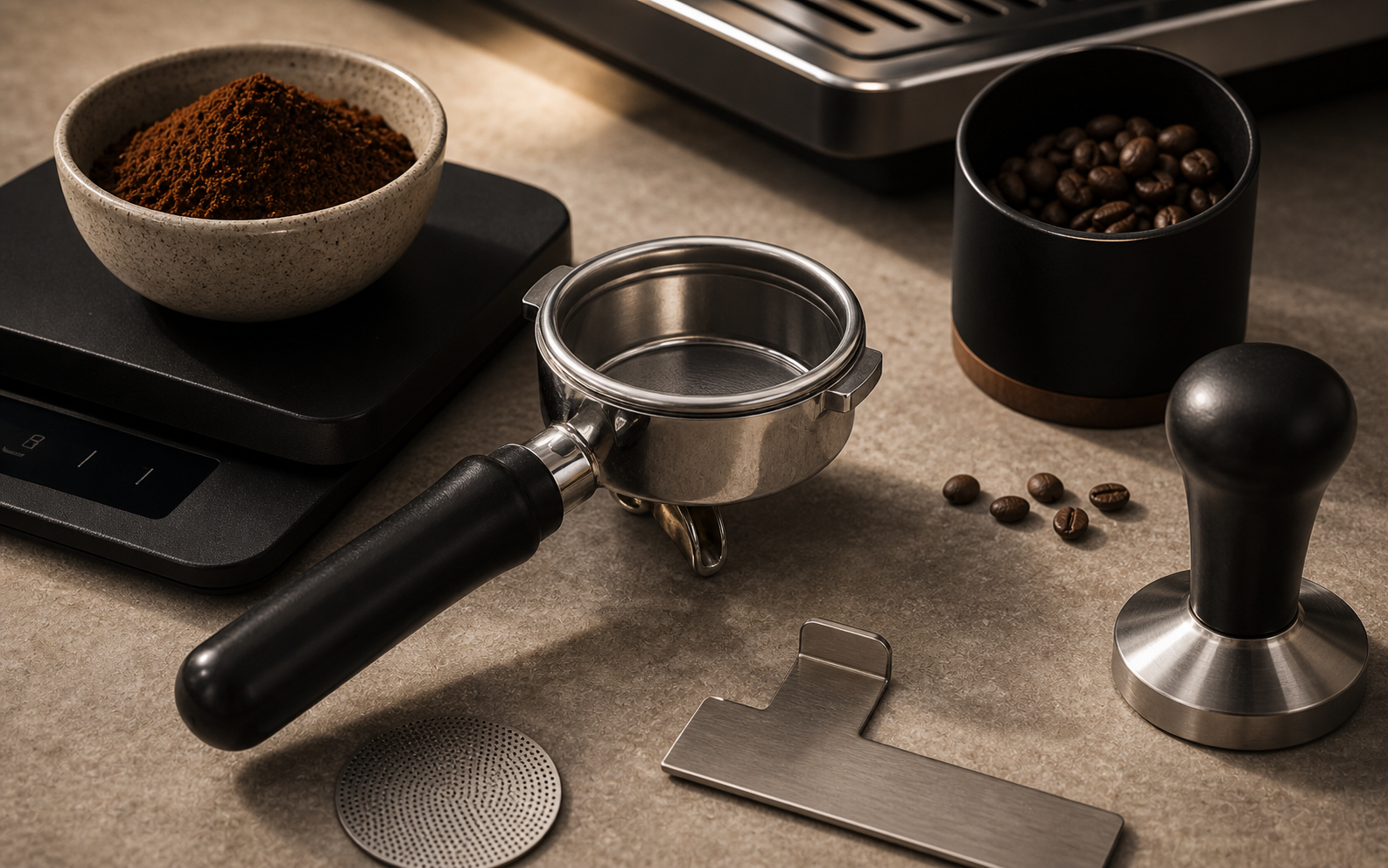
Learn how espresso headspace, basket fit and puck prep affect flow, flavour and consistency, with a practical coin test for dialing in your dose.
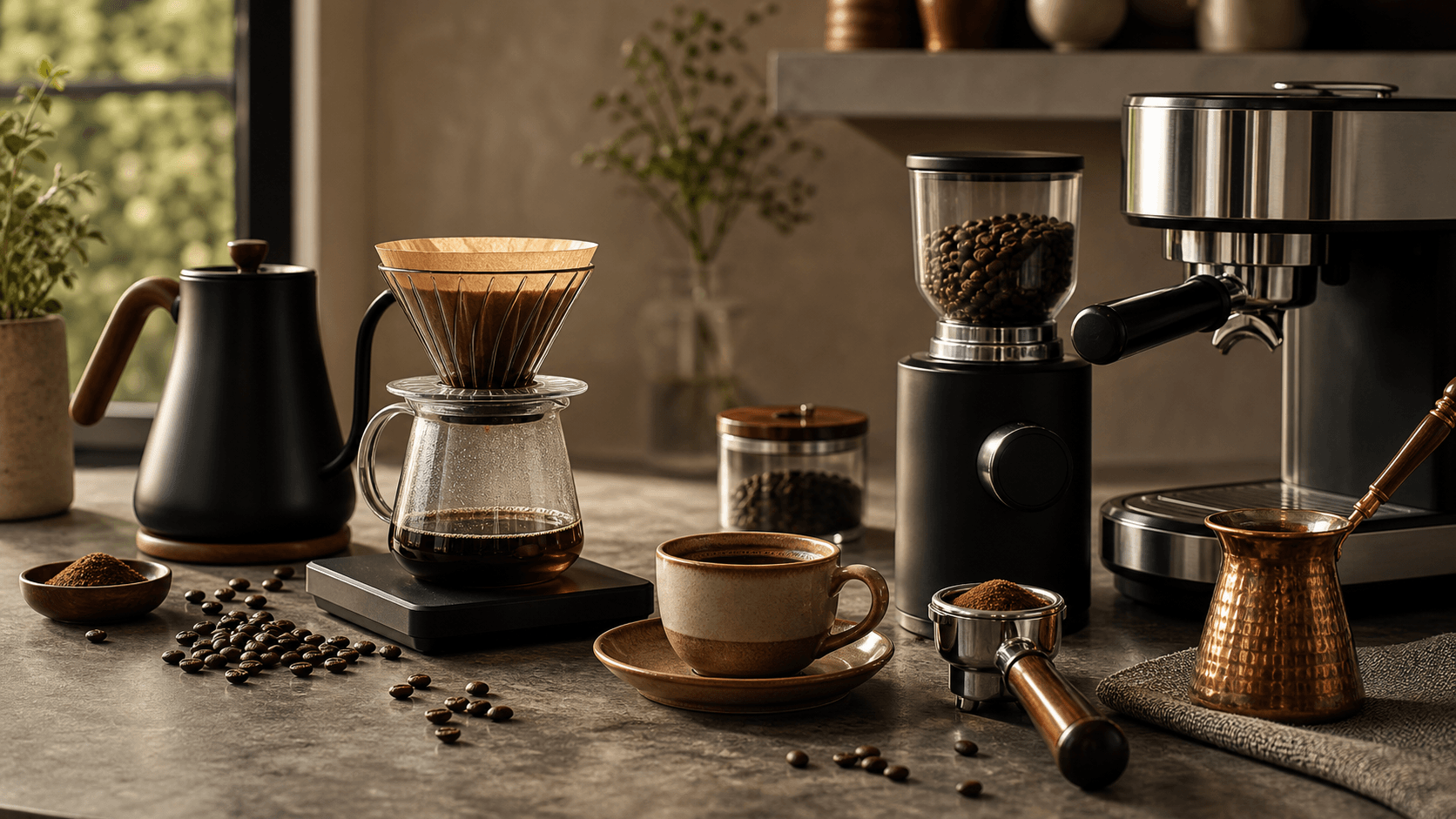
Choose coffee by brew method. Learn how espresso, automatic machines, filter, immersion, Turkish-style coffee and cold brew change flavour.
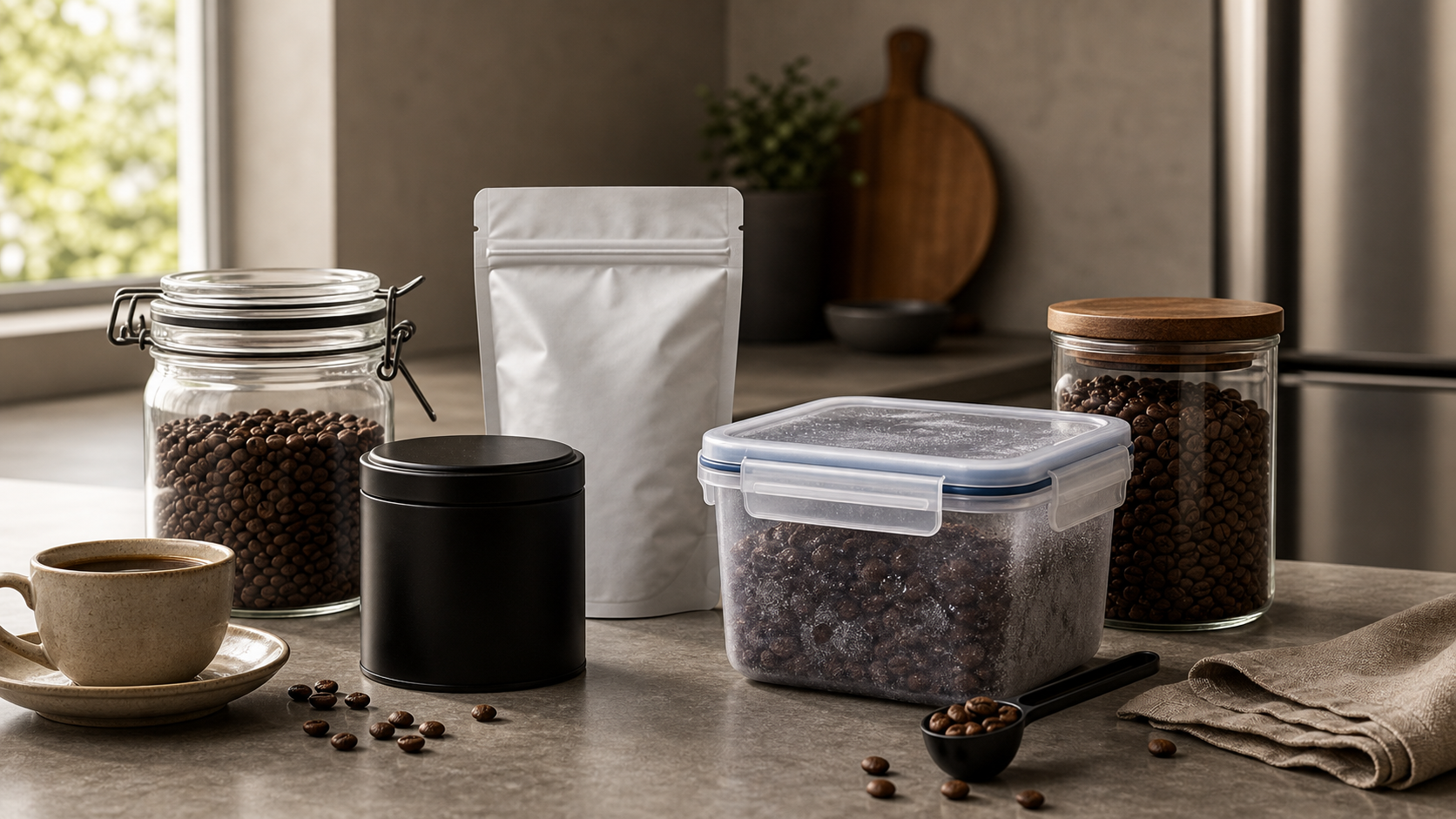
Learn how to store coffee after opening, when freezing roasted coffee makes sense, and how oxygen, moisture, heat and grind state affect flavour.
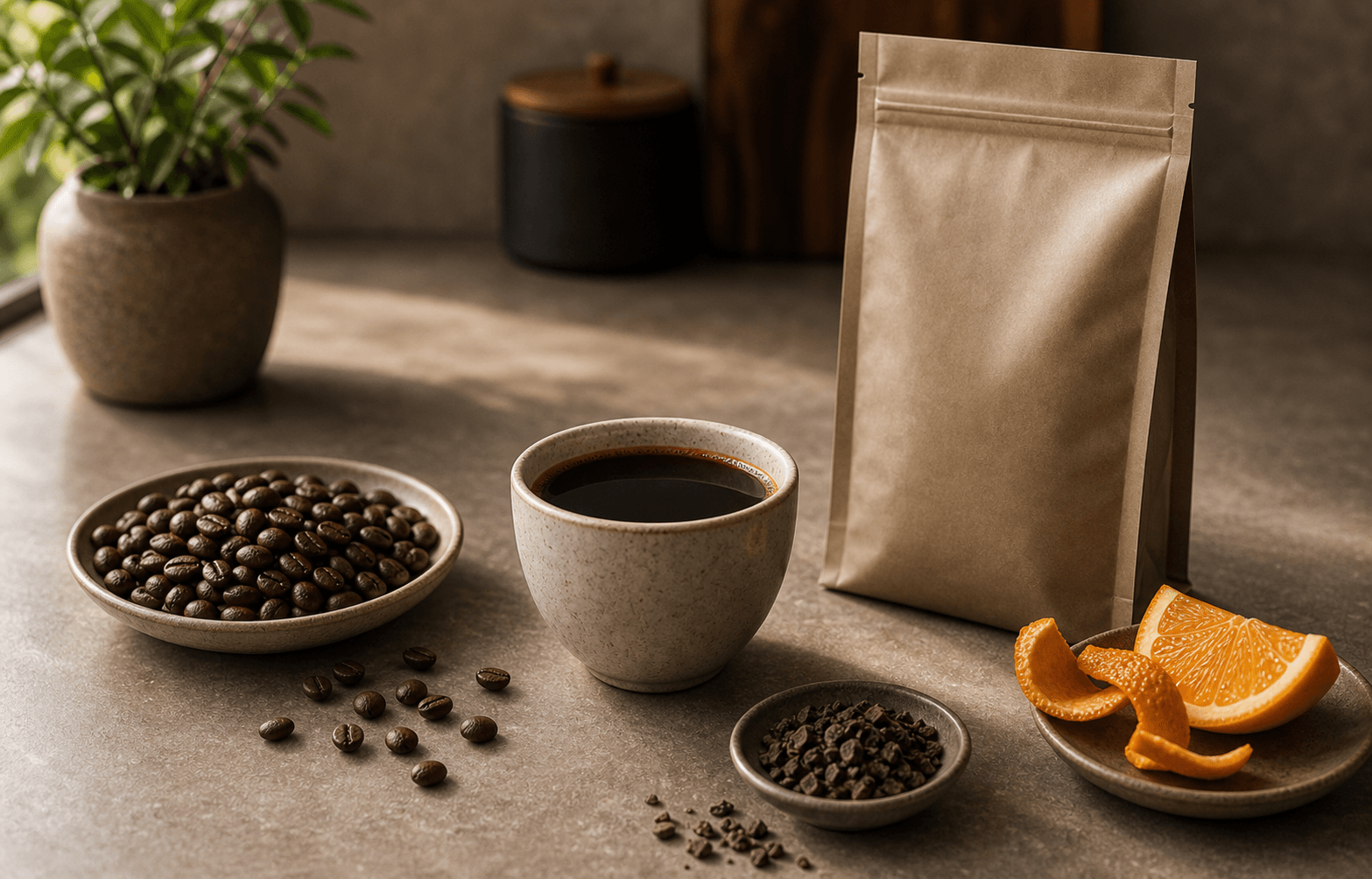
Out of Coffee adds no artificial flavouring. Natural tasting notes come from origin, process, roast, maturation and brewing.
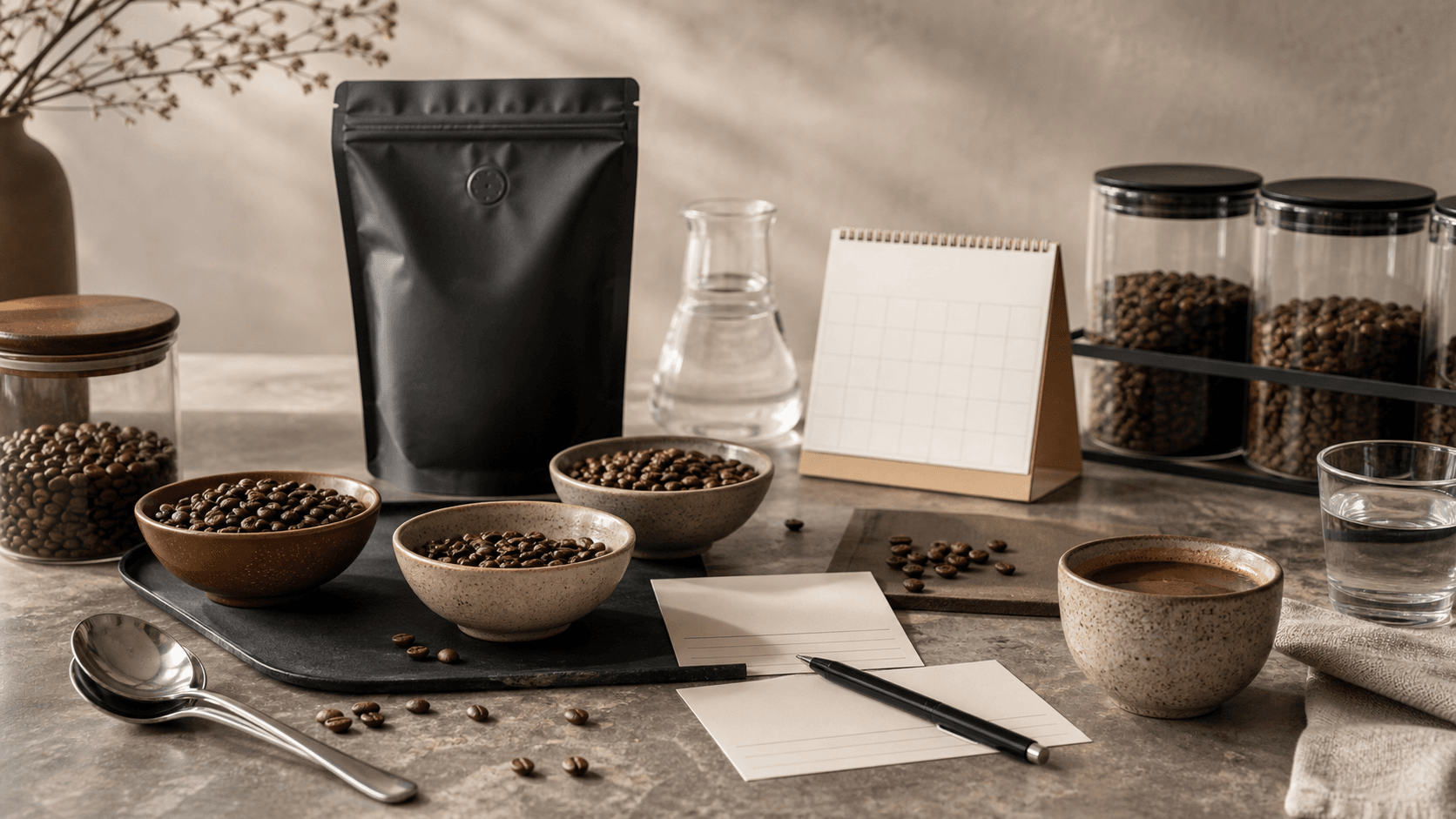
Fresh-roasted coffee is not always best. Learn Out of Coffee’s drinking window, post-roast maturation, degassing and storage guidance.
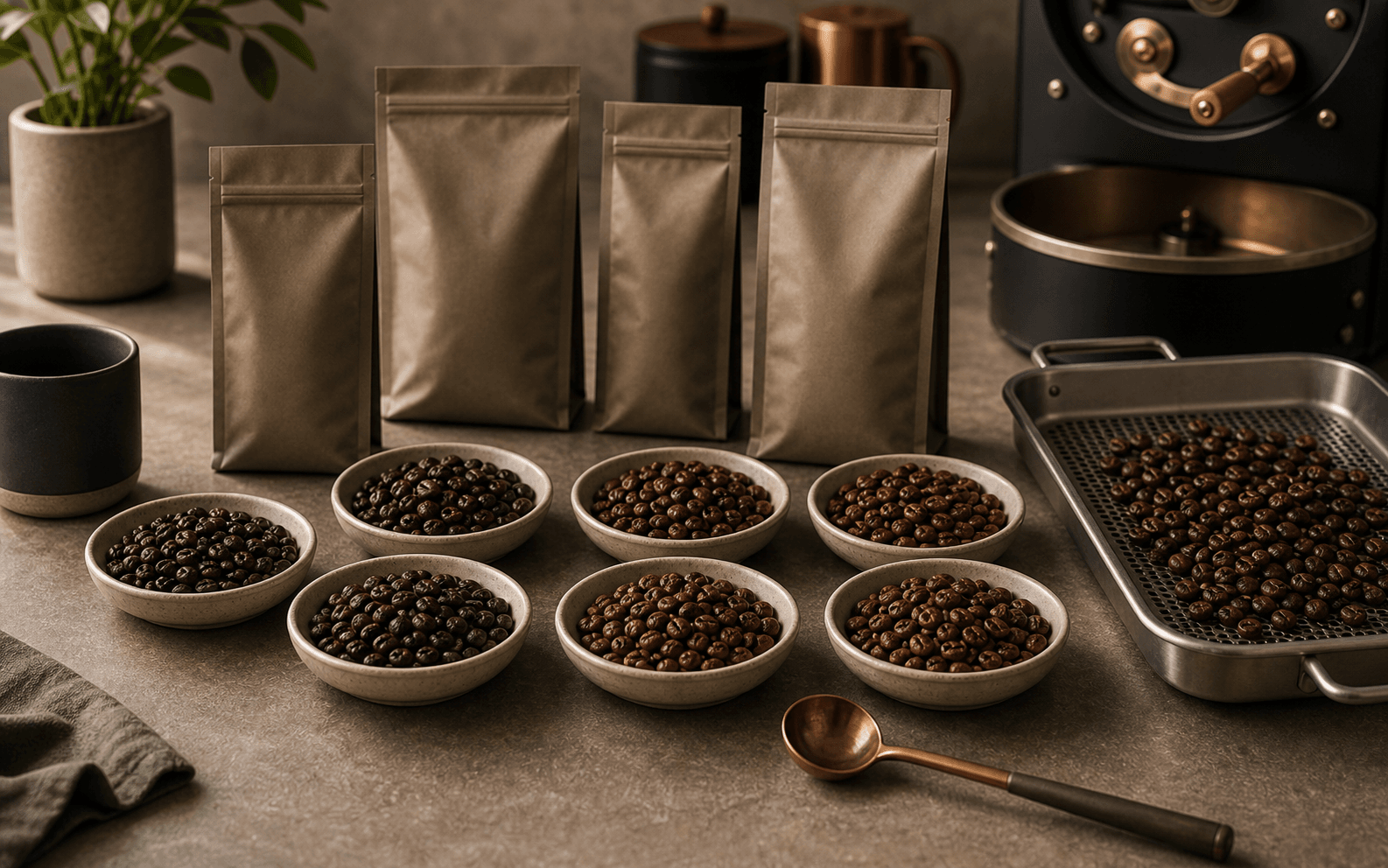
Each coffee lot needs a roast profile matched to origin, process, density, flavour target and brew method. Generic roasting misses too much.
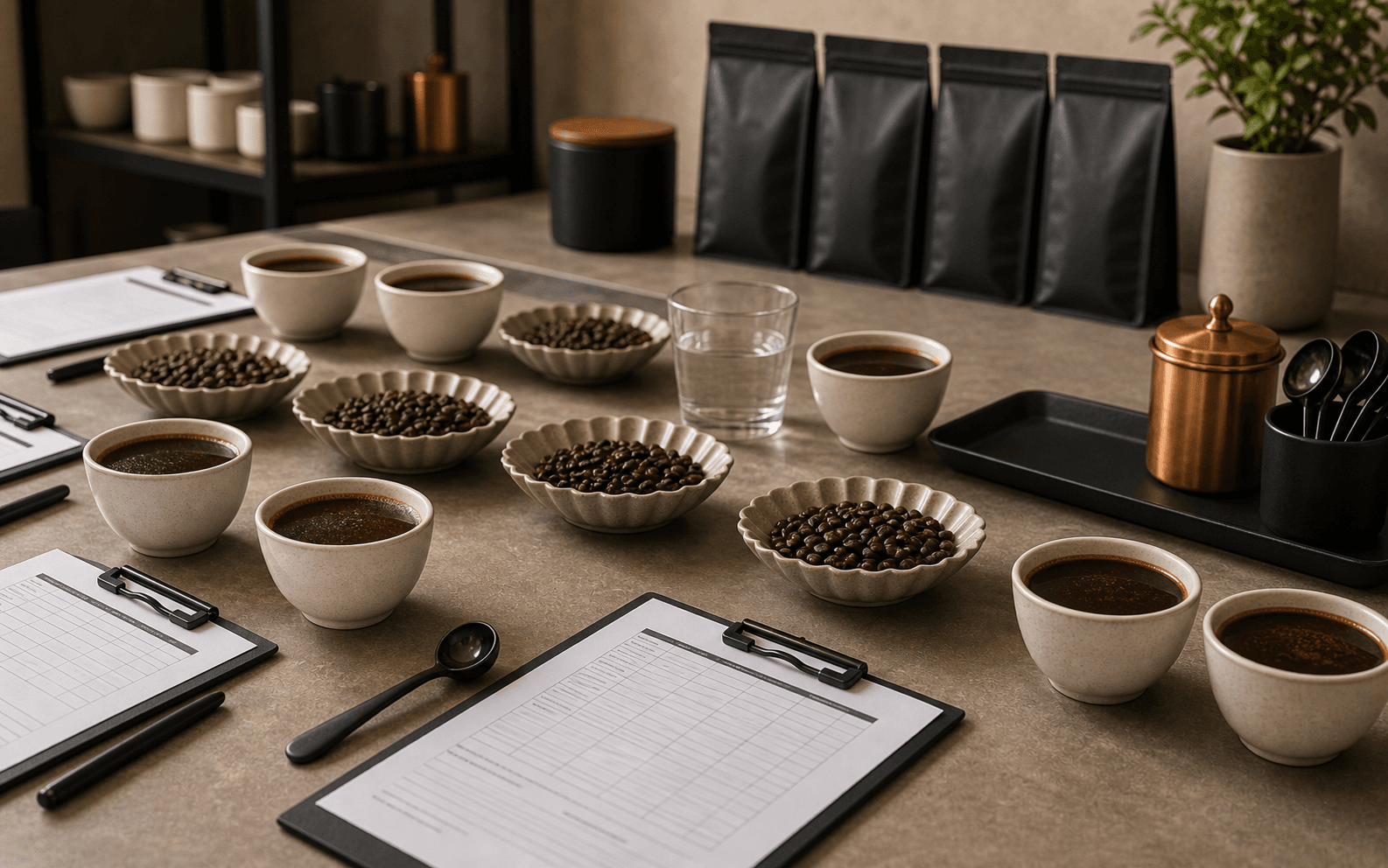
Third-party SCA grading, Q grading and CVA scores can help with quality context, but they still need origin, roast and brew-fit context.
 Next step
Use the guide library to understand the decision, then choose by flavour lane, brew setup and proof markers when you are ready to buy.